Can You Use Baby Shampoo to Clean Eyelash Extensions?

Table of Contents
Baby Shampoo vs Lash Shampoo: What’s the Difference?
When it comes to looking after eyelash extensions, you'd think reaching for something as gentle as baby shampoo makes sense, right? It has certainly been a popular suggestion! For routine extension aftercare, though, we recommend a cleanser specifically intended for lash extensions, such as a foaming lash shampoo, used according to its instructions.
That doesn’t mean every baby shampoo is harmful. The important distinction is that a product being gentle on skin doesn’t automatically establish its compatibility with eyelash extensions and their adhesive. Let’s chat about why choosing the right cleanser matters.
How Lash Care Advice Has Changed Over the Years
Earlier advice for lash extension aftercare often involved everyday products like baby shampoo. The reasoning was understandable: these products are marketed as gentle. However, they weren’t necessarily developed or tested for maintaining lash extensions and adhesive bonds. As the lash extension industry has evolved, more products have been developed specifically for extension aftercare.
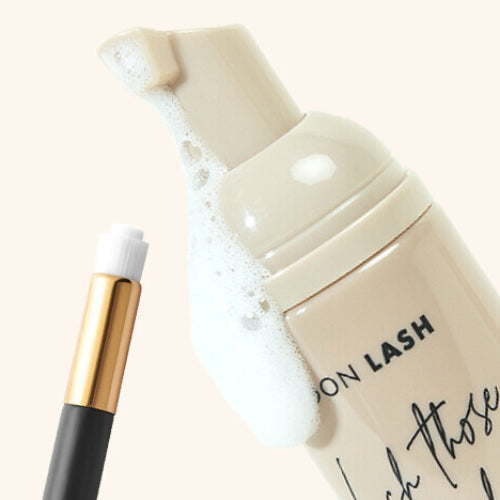
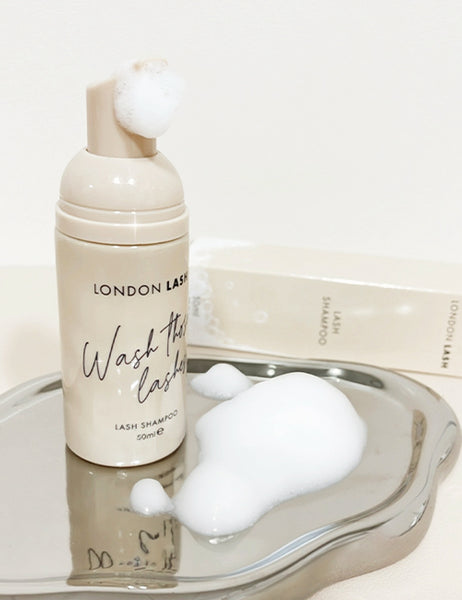
At London Lash, we take pride in developing specialized products, such as our foaming lash shampoo, with lash extension care in mind. Choosing a product with clear instructions for this purpose makes it easier for Lash Technicians to recommend a consistent cleansing routine.
Why Baby Shampoo and Micellar Water Aren’t Automatic Substitutes
While baby shampoo and micellar water are often chosen for their gentleness, formulations vary. Neither product category should automatically be treated as interchangeable with a lash extension cleanser.
- Different intended uses: Baby shampoo is primarily designed for washing hair, while micellar water is generally used for cleansing skin or removing makeup. Check whether the specific product is suitable for the eye area and compatible with extensions.
- Different formulations: Fragrance, conditioning ingredients, and other components vary between products. A “gentle” or “oil-free” label alone doesn’t confirm suitability for your client’s lash set.
- Rinsing matters: Any cleanser can leave unwanted residue if it isn’t used or rinsed correctly. Follow the product instructions rather than assuming a particular formula will always rinse clean or always damage adhesive.
For everyday aftercare, recommend an extension-compatible cleanser rather than asking clients to experiment with household substitutes.
What About Baby Shampoo for Medical Eyelid Cleaning?
You may have seen baby shampoo mentioned in medical advice for eyelid hygiene. For example, NHS guidance on blepharitis includes a small amount of baby shampoo in water as an option for cleaning the eyelid edges.
That is a different context from caring for lash extensions and maintaining their adhesive bonds. If a client has been given an eyelid-cleaning routine by their eye care professional, they should follow that advice and tell the clinician they wear extensions. A cosmetic aftercare routine shouldn’t replace treatment for an eye condition.
The Benefits of Using a Specialized Lash Shampoo
Understanding the needs of lash extension wearers led to products like our lash shampoo. We created it because we saw a need for a cleanser intended for this specific routine!
Here’s what to look for when choosing a lash extension cleanser:
- Suitable cleansing: A product intended to help remove everyday oil, makeup, and debris from the lashes and lash line.
- Clear instructions: Guidance on how much to use, how to apply it, and how to rinse it away.
- Extension compatibility: Information confirming that the product is intended for use with lash extensions.
No cleanser is guaranteed to suit everyone. Check the ingredients and directions, keep products out of the eyes, and stop using anything that causes irritation. Persistent irritation should be assessed by a healthcare professional.

Choosing a Cleanser for Lash Extensions at Home
For clients maintaining their extensions at home, keep the routine simple:
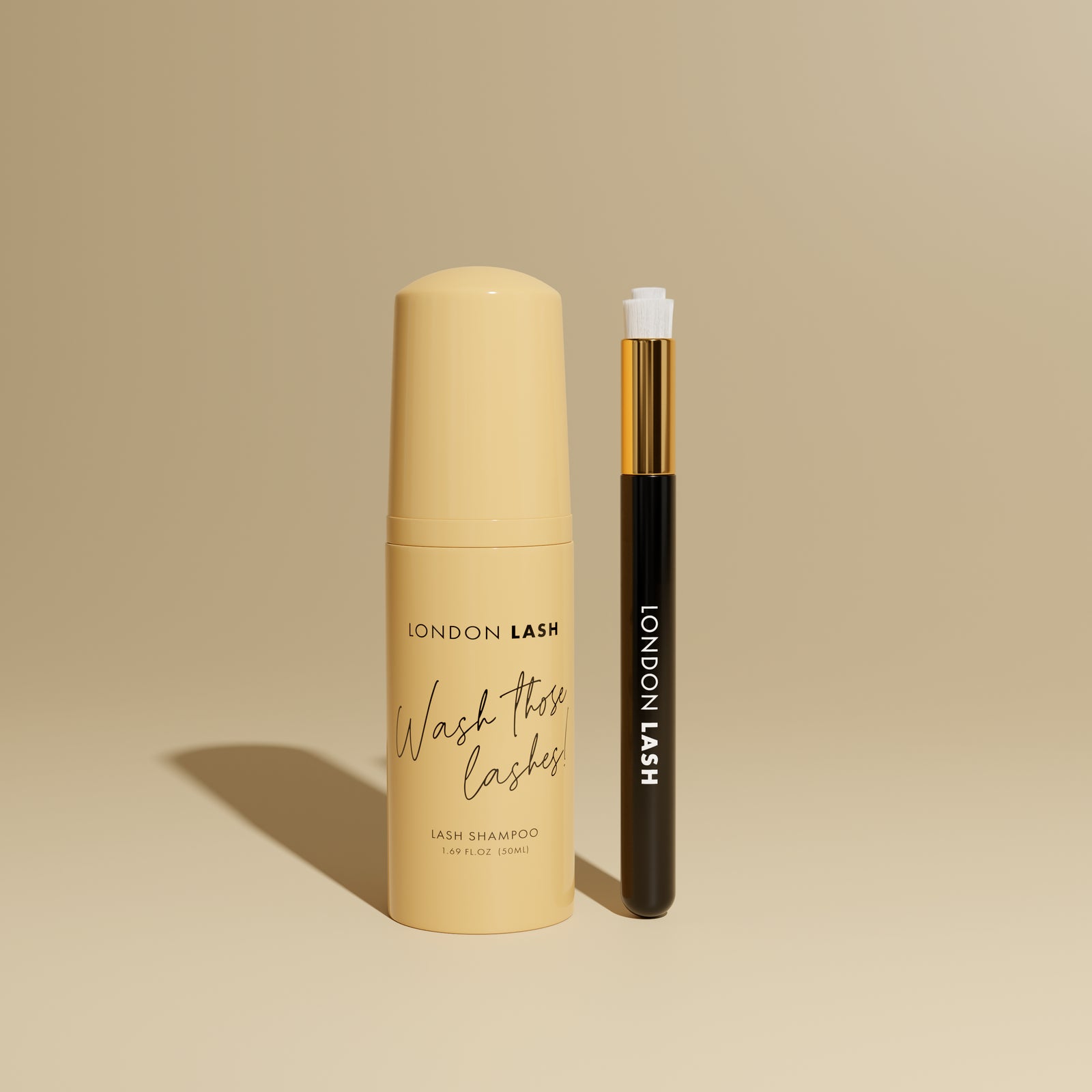
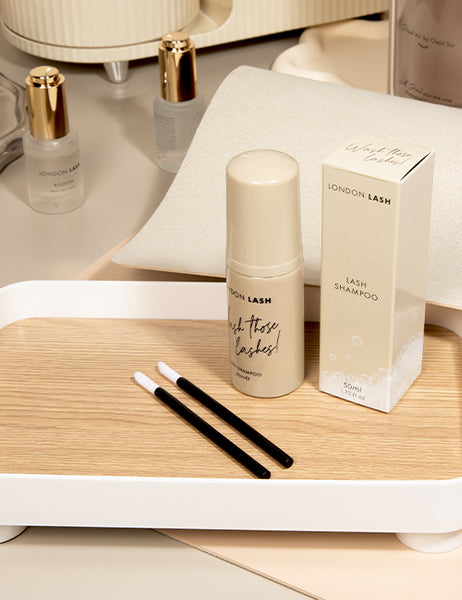
- Choose a suitable product: Use a cleanser intended for lash extensions and follow its directions. Our lash shampoo and cleansing brush set brings the essentials together.
- Be gentle: Use a clean, soft lash cleansing brush as directed, without scrubbing, pulling, or catching the extensions.
- Rinse thoroughly: Remove the cleanser with water according to the instructions, then allow the lashes to dry before gently brushing them into place.
For the full routine, visit our guide to cleaning lash extensions. For advice beyond cleansing, take a look at our eyelash extension aftercare guide.
Baby Shampoo and Lash Extensions: Common Questions
Can I Use Diluted Baby Shampoo to Clean My Lash Extensions?
We recommend an extension-compatible cleanser for routine aftercare. Diluting baby shampoo doesn’t establish that it is suitable for your adhesive or eye area. Avoid making and storing homemade cleanser mixtures, and ask your Lash Technician which product to use.
What if My Eye Doctor Recommended Baby Shampoo?
Follow your eye care professional’s advice and let them know you wear lash extensions. Ask whether the extensions affect the recommended routine or whether you should pause wearing them. Your eye health takes priority over lash retention.
Can I Use Micellar Water Instead of Lash Shampoo?
Not automatically. Micellar waters have different formulations and instructions, so check the specific product’s suitability for the eye area and compatibility with extensions. For regular lash cleansing, an extension-compatible shampoo is our recommendation.
Looking after lash extensions doesn’t need to be complicated. Choose a suitable cleanser, use it gently, and rinse it thoroughly. As Lash Technicians, we can help clients build a practical routine without suggesting that every alternative is harmful or that any cleanser guarantees irritation-free results.
Explore our Clean Lashes Duo shampoo and brush set and give your clients’ extensions the love they deserve!
Check out these featured products