Lash Styles 101: The Perfect Lash Styles for Every Eye Shape
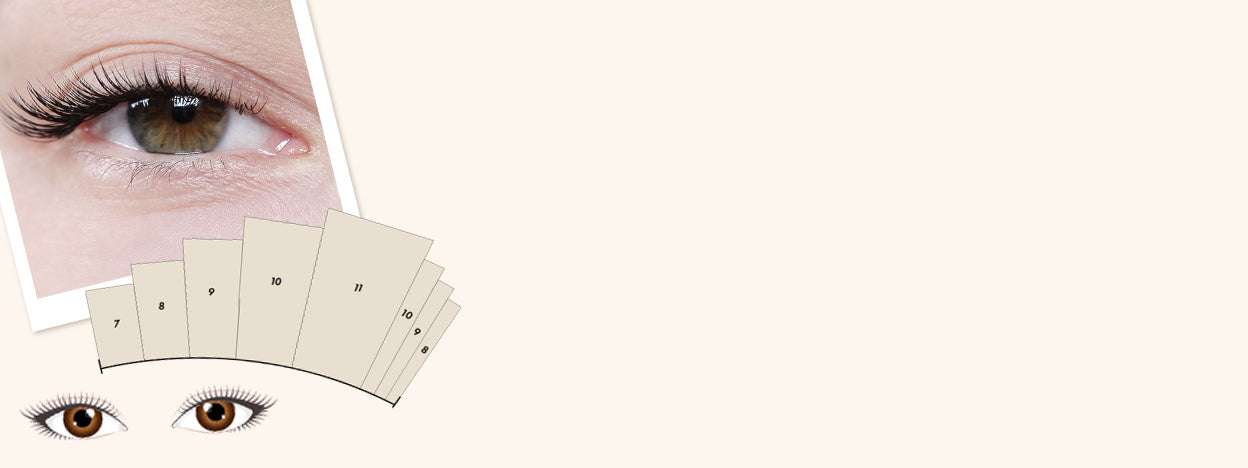

Table of Contents
A Comprehensive Lash Extensions Guide for All Eye Shapes | Free Lash Maps & Eye Shape Chart
When you’re first discovering eyelash extensions and are being educated on how to do them, you’ll soon realize that the types of lashes available are vast and varied, offering so many styles to accentuate and enhance every eye shape. Whether you're an experienced lash enthusiast or a newbie looking to dip your toes into the lash world, understanding the best lash style for your clients' unique eye shape can seriously make all the difference. In this guide, we'll explore lash styles for various eye shapes, helping your clients step out of your lash studio with lashes that enhance their eyes and complement their face beautifully.
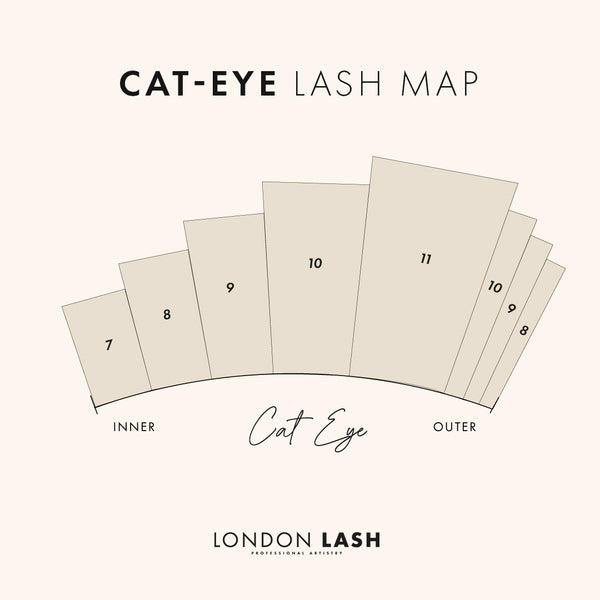
Which lash extension style suits each eye shape? Cat Eye styling can create an elongated effect, Dolly styling emphasizes the center for a more open-eyed look, and Squirrel styling places the longest lengths before the outer corner before tapering down. These are starting points rather than fixed rules: your client's eyelid structure, natural lash direction, lash health, and desired result all help determine their final lash map.
Scroll down for our Eye Shape Chart! 👀 Or start with our quick comparison to get to know the different lash extension shapes.

Lash Extension Styles: What’s the Difference?
Before matching lashes to eye shapes, let's get familiar with the styles themselves. Cat Eye, Squirrel, and Dolly describe how lengths are arranged across the lash line. Wispy describes texture, while Classic, Hybrid, and Volume describe application approaches. You can combine these choices to create a look that's completely your client's own!
| Lash Style | Length Placement | Desired Effect | What to Consider |
|---|---|---|---|
| Cat Eye | Lengths generally increase toward the outer section of the eye. | An elongated, softly winged appearance. | Long outer sections can emphasize a downward slope if the map is not adjusted. |
| Squirrel | Lengths peak before the outer corner, then shorten toward the end. | A lifted effect with a softer outer edge. | The position of the peak should suit the individual eye and natural lash direction. |
| Dolly / Doll Eye | The longest lengths sit around the central section. | A rounder, more open-eyed appearance. | It can emphasize roundness, which may or may not match the client's goal. |
| Natural | Lengths follow a gentle progression inspired by the natural lash line. | Soft definition and an understated finish. | Natural does not mean identical for everyone; lengths and curls still need personalizing. |
| Wispy | Selected longer spikes add texture above a shorter base map. | A textured finish that can be subtle or bold. | Wispy texture can be combined with Cat Eye, Squirrel, Dolly, or Natural styling. |
How to Identify Your Client’s Eye Shape
Here's something worth remembering: your client doesn't have to fit into just one category. They might have almond-shaped eyes with hooded lids and slightly downturned outer corners. All three characteristics matter when you're planning their lashes!
Assess their eyes while they are open and relaxed, looking straight ahead. Then consider:
- Eye shape: Do the eyes appear rounder or more elongated, like an almond?
- Eye direction: Are the outer corners higher than, lower than, or roughly level with the inner corners?
- Eyelid structure: Is there a visible crease, a hooded lid, or a monolid?
- Depth and spacing: Are the eyes deep-set or more prominent? How close together or widely spaced are they?
- Natural lashes: Check their direction, length, strength, and density before selecting extension lengths, curls, and weight.
Finally, ask what your client actually wants to see in the mirror. Do they love a sultry, elongated look, a soft everyday finish, or a wide-eyed effect? Their eye shape helps guide the map, but their preferences are part of the picture too.
Round Eyes: The Cat Eye
Round eyes are captivating and can be further accentuated with the right lash extensions. A gorgeous Squirrel or a Cat Eye style can be a match made in heaven for this eye shape. Elongated lash styles, like the Cat Eye, incorporate longer lengths toward the outer section of the lash line, providing a gradual flare that can make your client's eyes appear more elongated.
If your client has a round eye shape but desires a doe-eyed appearance, then you could choose a Doll Eye style to further enhance their natural shape. These lashes are longer in the center, making the eyes appear even rounder and more open. The result? A wide-eyed, innocent look that can even look cartoon-like if that’s what your client is aiming for.
Styling tip: Check the direction of the outer-corner lashes before choosing your longest lengths. A round eye with downturned outer corners may benefit from a Squirrel-inspired taper rather than a long Cat Eye tail.
Protruding Eyes: Wispy Wonders
Protruding, or prominent, eyes have a unique charm, and the key is to enhance their natural beauty without overpowering them. As with round eyes, Squirrel or Cat Eye styling can help create an elongated effect. However, longer and denser isn't automatically better: keep the overall length and volume in balance with the client's natural lashes and desired finish.
If your client wants a more natural lash look, try creating natural wispy lash extensions that add texture without being too dramatic. Placing selected spikes through the outer section, in accordance with your Cat Eye or Squirrel lash map, can emphasize an extended shape. This style can complement their eyes while adding a touch of elegance and subtlety.

Narrow Eyes: A Naturally Open-Eyed Look
Narrow eyes can benefit from lash extensions that create a more open-eyed appearance. Dolly and Squirrel styles can be useful starting points, depending on where you want to place the emphasis. A Dolly map draws attention toward the center, while a Squirrel map can provide a lifted effect without extending the very outer corner too far.
The key is to avoid overwhelming the eye area and consider natural-looking extensions that enhance the client's features. Check the finished effect with the eyes open, as the same map can look quite different depending on the eyelid and lash direction.
Upturned Eyes: Cat Eye
Upturned eyes have a natural lift at the outer corners, making them lovely candidates for the Cat Eye lash style. This style, which is longer toward the outer edges, accentuates the upturned shape, adding a sultry, mysterious vibe. If your client wishes to tone this down slightly, the versatile Squirrel style can also look incredible on upturned eyes.
Keep the amount of outer-corner emphasis in line with the client's preferences. You don't have to exaggerate their natural lift to create a beautiful result!
Almond Eyes: Versatile Vixens
Almond eyes are versatile and can pull off a variety of lash styles. Squirrel styling, with its longest lengths positioned before the outer corner and shorter lengths at the very end, can emphasize a lifted appearance. This is different from Cat Eye styling, which generally builds length toward the outer section to create more elongation.
So, whether your client would like a Squirrel, Cat, Dolly, or Natural style, they’re in luck! Choose the map according to the effect they'd like, then adjust it for any hooding, downward tilt, or differences between their two eyes.

Downturned Eyes: Lift and Lengthen
Downturned eyes can be given a subtly lifted appearance with a carefully chosen lash map. Squirrel or Dolly styling can be useful starting points, depending on whether your client wants more emphasis before the outer corner or around the center.
Rather than automatically placing your longest extensions at the very outer corners, consider shortening the final section so that it doesn't emphasize the downward slope. With a Squirrel map, the longest point sits before the outer corner, followed by a taper toward the end. This can create a balanced look with a softer, more lifted outer edge.
Styling tip: Assess lash direction as well as eye shape. Extra length on downward-growing outer lashes may work against the effect you're trying to achieve.
Hooded Eyes: Subtle Drama
Hooded eyes have a fold of skin that can sometimes hide the lash line, and they come in many shapes and sizes, so there’s no one-size-fits-all approach. The trick is to choose lash extensions that add definition and drama without overwhelming the eye area. Natural styling with a slight flare can create a lovely balance.
Check how the lashes sit against the lid when the client's eyes are open. Curl choice matters here: a stronger curl isn't automatically the answer if it turns back into the lid. Select a curl and length that provide suitable clearance, a secure attachment, and the desired visible effect.
A hooded, downturned eye may need a different map from a hooded, upturned eye. Start with the whole eye rather than choosing a style based on hooding alone.
Monolid Eyes: Open and Enhance
Monolid eyes, which do not have a prominent visible eyelid crease, can be beautifully enhanced with lash extensions that create definition and an open-eyed effect. A softly graduated map or a central emphasis can add dimension and charm, depending on the client's preferences.
Like hooded eyes, it really depends on the size, shape, spacing, and natural lash direction to determine a lash look that they'll suit. Assess where the lid sits in relation to the lash line, and choose a curl and attachment approach that allow the extensions to remain visible and comfortable when the eyes are open.
Deep-Set Eyes: Bring the Lashes into View
With deep-set eyes, the brow area can make some lash styles less visible. The aim is to create definition that can be seen with the eyes open, without simply reaching for the longest extensions in your kit!
Check the relationship between the lash line, lid, and brow, then choose lengths and curls that suit the natural lashes and avoid contact with the surrounding skin. A softly graduated or centrally emphasized map may be a useful starting point, but the final choice should reflect the client's other eye characteristics too.
Close-Set and Wide-Set Eyes: Adjust the Emphasis
Eye spacing adds another layer to your lash map. For close-set eyes, a little more emphasis through the outer section can help create an elongated effect. For wide-set eyes, a more balanced or centrally focused map may suit a client who doesn't want to draw attention farther outward.
These are optional styling effects, not features that need “fixing.” Talk to your client about what they love and the look they'd like to create.
Eye Shape Chart for Lash Extensions
Use our eye shape chart as a visual starting point, then combine what you see with your consultation and natural lash assessment. Remember, more than one description can apply to the same pair of eyes!

Your Quick Lash Styling Consultation Checklist
- Ask about the desired result. Does your client want elongation, an open-eyed effect, soft definition, or plenty of texture?
- Assess the eyes while open. Consider shape, lid structure, direction, depth, and spacing.
- Check the natural lashes. Select extension weight, length, and curl according to what they can suitably support.
- Choose your base map. Start with Cat Eye, Squirrel, Dolly, or Natural styling, then personalize the placement.
- Consider both eyes individually. Small differences may call for small mapping adjustments rather than identical application.
Want to explore the mapping process in more detail? Take a look at our guide to lash mapping for more help planning your next set.
Frequently Asked Questions About Lash Styles and Eye Shapes
How do I know which lash extensions suit me?
Start with the effect you'd like: elongated, open-eyed, natural, or textured. A lash technician can then assess your eye shape, eyelids, natural lash direction, and lash condition to recommend a suitable map. Inspiration photos are a great conversation starter, but your final set should be personalized rather than copied exactly.
What is the difference between Cat Eye and Squirrel lashes?
Cat Eye styling generally increases length toward the outer section to create an elongated appearance. Squirrel styling reaches its longest point before the outer corner, then tapers down toward the end. The position of the peak and the shorter outer tail are the key differences.
What lash style is best for hooded eyes?
There isn't one best style for every hooded eye. A technician needs to assess how the lid sits over the lash line, the direction of the natural lashes, and the desired result. Natural, Squirrel, or centrally emphasized styling may all be options, with lengths and curls adjusted so the extensions remain visible and do not press against the lid.
Can downturned eyes have Cat Eye lashes?
A Cat Eye-inspired look may be possible, but the outer section needs careful planning. Putting the longest extensions on downward-growing outer lashes can emphasize the downward slope. Your technician may suggest moving the length peak inward and tapering the final section for a softer, more lifted effect.
Are wispy lashes a lash shape?
Wispy describes the texture created by varying lengths and adding selected spikes. It can be combined with different mapping shapes, including Cat Eye, Squirrel, Dolly, and Natural. Your base map determines where the overall emphasis sits, while the wispy elements add texture.
Can you have more than one eye shape?
Yes! Descriptions such as almond or round refer to shape, while hooded or monolid describe eyelid structure, and upturned or downturned describe orientation. A client can have several of these characteristics at once, which is why a personalized consultation is so useful.
Well, we hope we’ve been able to help you better understand how to choose a lash map to best suit your client! Whether your clients are looking to enhance their natural beauty or make a bold statement, there are so many ways to create a look they'll love. Remember, the key is to understand their unique eye characteristics, listen to their preferences, and choose lash extensions that complement and accentuate. So, the next time you're working your magic and deciding on a lash map for your client, refer to this guide!
Check out these featured products