
Professional Eyelash Extension Supplier
Professional Eyelash Extension Supplier
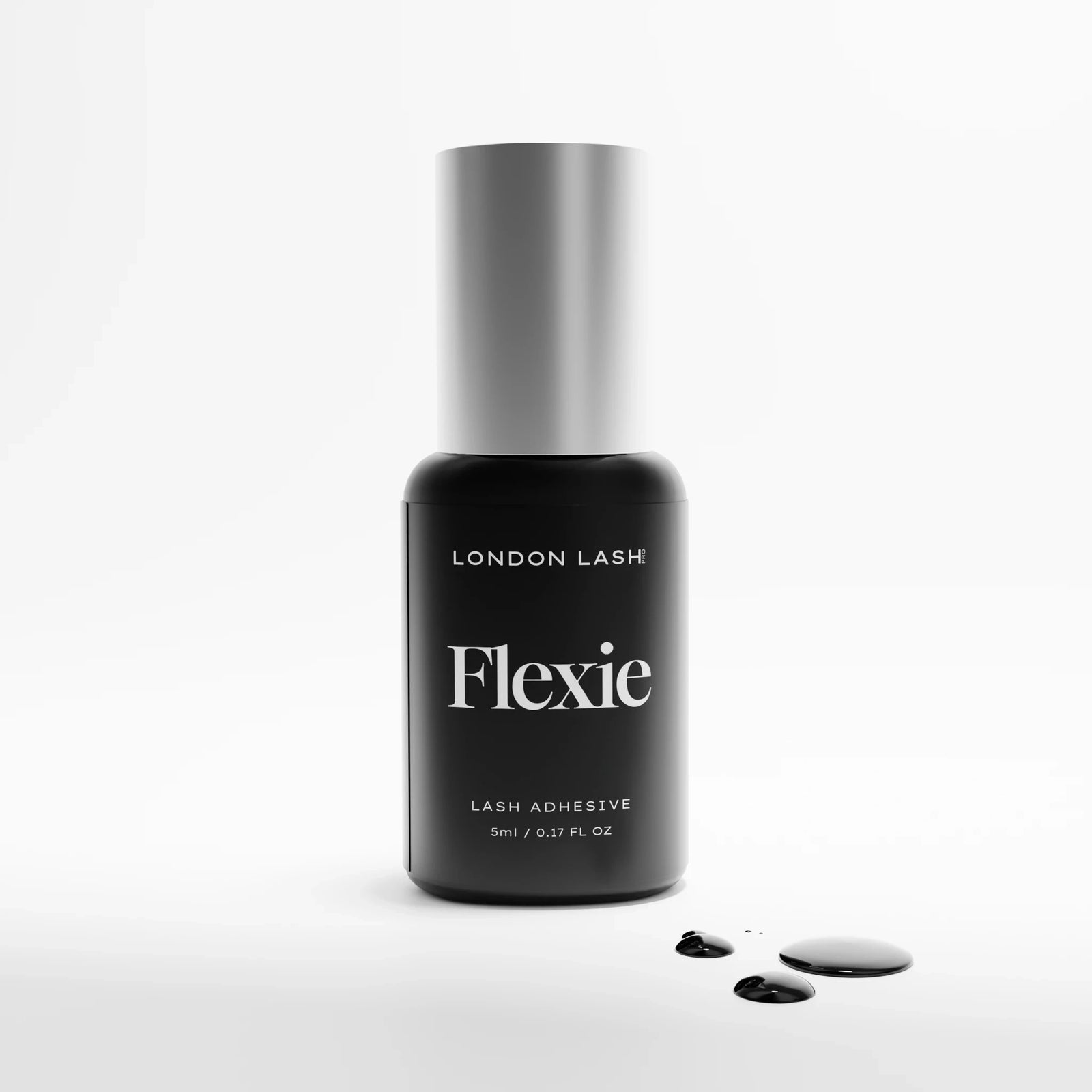

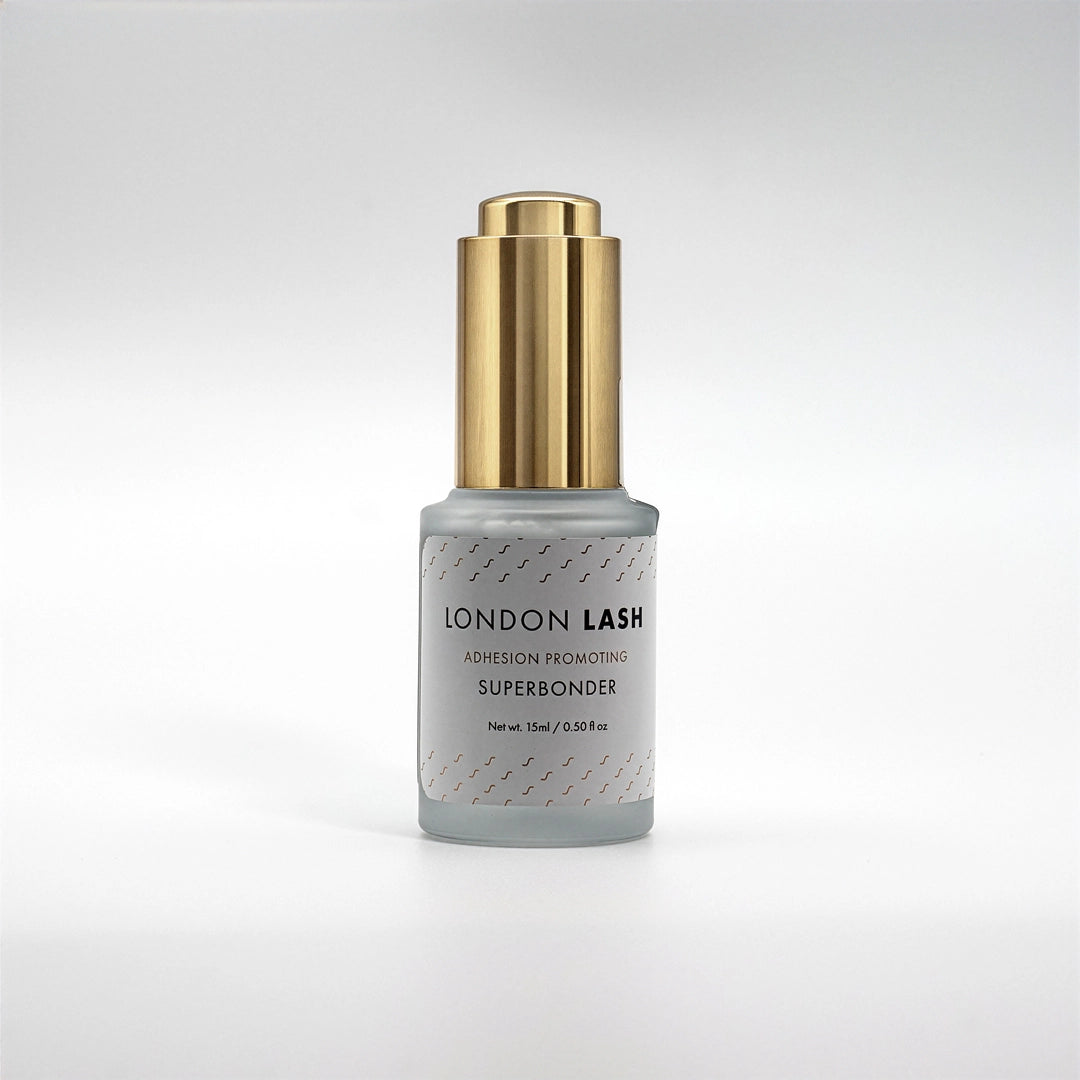

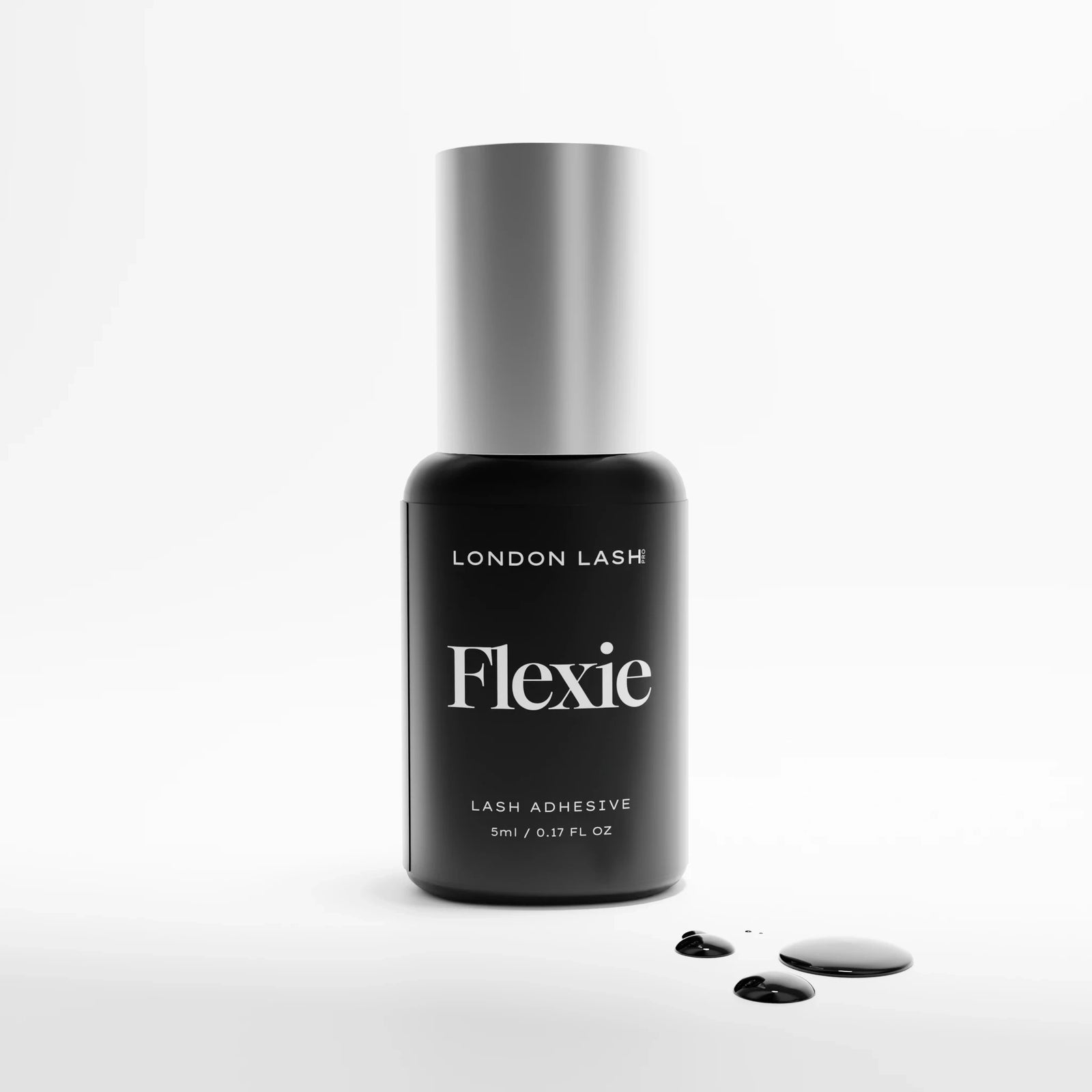

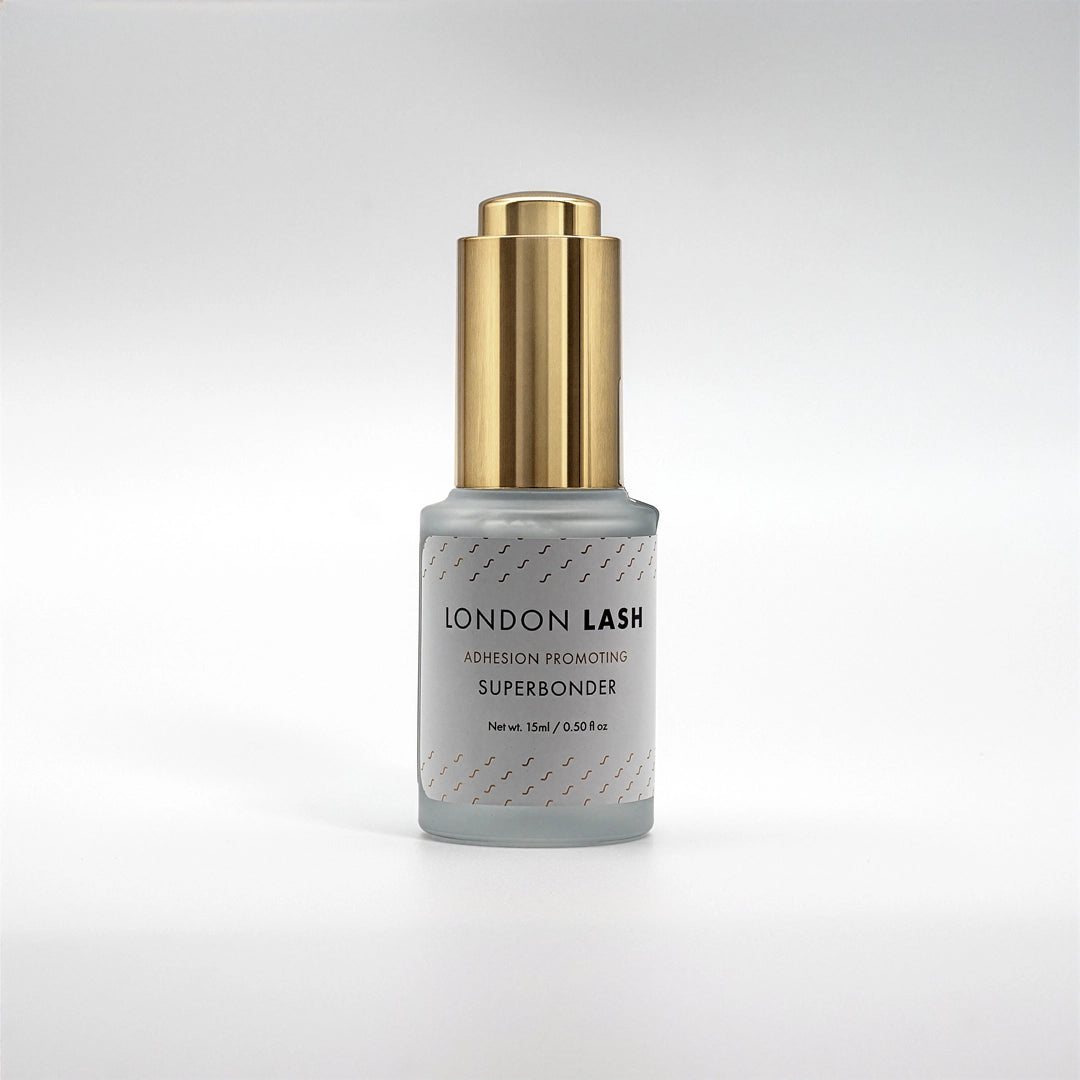


Retention DUO - SAVE 30%
SUBSCRIPTION ACTIVE • cancel anytime!If you're facing retention struggles, the culprit isn't always your glue; it's often the preparation and finishing steps. Our Retention DUO combines two of our most powerful performance-enhancers to create a "magnetic" bond during application and an unbreakable seal at the finish, all while saving you 30% compared to buying them separately.
$56.99
|
Key benefits
- Get longer-lasting lash sets your clients notice between appointments
- Stop early shedding with stronger, more flexible adhesive bonds
- Skip the 24 hour wait — lashes are safe to get wet right away
- Create a more comfortable experience with reduced fumes and irritation
- Level up your results with a full start-to-finish retention routine
Customers also bought
Is this product right for me?
Who is the Retention DUO for?
This duo is an absolute must-have for professional lash technicians who want to eliminate the guesswork of lash retention. It is ideal for those working in fluctuating environments or with clients who have difficult natural lashes or active lifestyles.
What is the Retention DUO?
A professional two-step system designed to improve application and retention. It includes Retention & Speed Booster for better adhesive control during application, and Superbonder Sealant to instantly cure the adhesive at the end of the set.
When should you use it?
Use the Booster as your final pre-treatment step (after Cleanser and Primer) on the lash strip. Use the Superbonder at the very end of the treatment, once the set is complete, to lock everything in place.
Why choose this DUO?
Because it supports retention at every stage of your treatment. The Booster helps maintain perfectly open, well-formed fans and improves adhesive control for faster, more precise placement, while Superbonder adds flexibility to the adhesive bonds to prevent brittleness and premature breakage.
For the ultimate long-lasting set, follow these professional steps:
- Pre-application: Apply a small amount of Booster to the lash extensions on the strip or palette using a microfiber brush. This helps keep your fans open, improves control, and allows for quicker, more precise attachment without needing to hold the extension in place.
- Post-application: Once the set is finished, wait 2 minutes and apply a tiny drop of Superbonder to the adhesive zone (the base). This instantly polymerizes the glue and locks in fumes.
Description
The Retention DUO optimizes the chemical bond of your lash adhesive from start to finish.
- Primary Benefit: 30% cost saving and significantly improved lash retention.
- Booster Effect: Helps maintain open, well-formed fans while improving control during application
- Superbonder Effect: Instant polymerization, reduces irritation, and adds bond elasticity.
- Client Safety: Eliminates the 24-hour "no water" rule; lashes can get wet immediately.
- Formula Update: Effective results guaranteed (Superbonder updated June 2025).
- Bundle Opportunity: This is our most popular value pack for solving retention issues in one go.
- Shelf Life: Superbonder (24 months before opened; 6 months once opened); Booster (18 months before opened; 3 months once opened)
FAQs
How should my clients clean their lash extensions?
We always recommend advising clients to use a professional lash cleanser specifically formulated for the delicate eye area and safe for eyelash extensions.
Our Lash Foam Cleanser is designed to:
- Gently remove makeup, oil, and daily buildup
- Keep lashes clean without compromising retention
- Help extensions last longer between fills
Using products not designed for lash extensions (like baby shampoo) can lead to dryness, irritation, or poor retention, as they are not formulated for the eye area or adhesive bonds.
For clients with sensitive skin or a sensitivity to Tea Tree, a gentle alternative foaming cleanser is recommended. To better support your clients, consider sharing digital aftercare guides so they can maintain their lashes correctly at home.
My client's lashes look clean, but retention is still poor. Why?
Even when lashes appear clean, residue from oils, skincare products, or microscopic buildup can still be present and affect retention.
If you're experiencing retention issues:
- Review your full pre-treatment routine
- Make sure each step is completed thoroughly
- Double-check that your adhesive is being used within its recommended temperature and humidity conditions
Client aftercare also plays a huge role — improper cleansing or exposure to oils can significantly reduce retention.
What's the difference between Booster and Superbonder?
Both products improve retention, but they work in completely different ways:
Booster (Retention & Speed Booster):
- Applied to the lash strip only (never to natural lashes)
- Speeds up adhesive curing
- Helps prevent fans from closing
- Improves control during volume application
- Supports stronger retention
Superbonder:
- Applied after the treatment is complete
- Increases adhesive flexibility to reduce breakage
- Seals in fumes to reduce irritation and sensitivity
- Allows lashes to get wet immediately after the appointment
- Enhances overall retention
What's the difference between Cleanser and Primer?
Both are essential steps in proper lash prep, but they serve different purposes:
Cleanser:
Alcohol-based formula
Removes oils, proteins, and residue from natural lashes
Deep cleans the lash surface
Primer:
Water-based formula
Rehydrates lashes after cleansing
Balances pH levels
Prepares lashes for optimal adhesive bonding
Using Cleanser alone is not recommended. Because it removes moisture, skipping Primer can lead to poor curing and reduced retention.
What pre-treatment routine gives the best retention?
A consistent, thorough pre-treatment routine is the foundation of long-lasting results. In many cases, retention issues come down to prep — not the adhesive.
Recommended routine:
- Cleanse the lashes: Use a lash foam cleanser to remove makeup and surface debris
- Use Protein Remover Pads: Remove any remaining oils or residue around the lash line
- Apply Cleanser: Deep cleanse to eliminate any final traces of oil or product
- Apply Primer: Reintroduce moisture and balance the lashes for optimal bonding
- Use Booster (on lash strip only): Speed up curing and improve application control
A proper prep routine can make a significant difference in both retention and overall results.
Can I use only a Cleanser before applying lashes?
For best results, we recommend completing the full pre-treatment routine rather than relying on Cleanser alone.
Cleanser removes oils effectively, but it also dehydrates the lashes. Without restoring moisture with a Primer, the adhesive may cure too slowly, the bond may be compromised, and retention can suffer.
Using both Cleanser and Primer ensures the lashes are properly balanced and ready for optimal adhesion.
Reviews
Customer Reviews
Based on 27 reviews
59%
(16)
4%
(1)
11%
(3)
7%
(2)
19%
(5)
T
I just got my shipment and I’m glad they aren’t half missing anymore from evaporation I’m assuming but now it doesn’t work… the booster use to be essential for helping the glue not creep up the fan but now it’s doing it… I am devastated if this is the new formula
Hi Teresa,
Thanks for your review. We are so sorry to hear you're not happy with the Booster! This doesn't sound right at all. We have now reached out to you via email so we can look into this further.
Thank you so much.
- LLP x
N
I absolutely love this dual product. Both the booster and the bonder have really helped me extend the life of my clients/Lashes between lash fills! Highly recommend this product
Hi Lovely, Thank you so much for leaving such great feedback, and a 5 star review! We are so happy to hear you love the Retention Duo! 😍 - LLP x
A
This is the first time purchasing from London lash I have had many lash techs tell me good things about retention but if I’m paying and not getting the full amount of product I will not keep purchasing I’ve never seen this from any other lash supplier

Hi Anissa, Thank you so much for taking the time to leave us a review! We are so sorry to hear you've been having issues with the Superbonder. This doesn't sound right at all! I wasn't able to find an order number, so please can you kindly drop us an email at info@londonlashpro.com, with your order number and details of the issue, and we'd love to help ASAP! Thank you so much - LLP x
D
It works well, it helps dry the glue a little bit faster
J
The super-bonder, for the send time in a row, was only filled about halfway. No issue with the booster.
Hi Jenn,
Thank you for your review! 🤍
We are so sorry to hear of a repeated issue with the SuperBonder bottle 😓
Unfortunately, we have not received any order details attached with your review. However, we would love to have this resolved for you as soon as possible! Please can we kindly ask you to get in touch with us via email, with your order number, so we can resolve this together 💓
Kind regards,
LLP x